
Adaptive Skiing in Colorado: Empowering Everyone to Experience the Slopes
Colorado, renowned for its stunning mountain ranges and world-class ski resorts, is also a leader in adaptive skiing programs designed to make winter sports accessible to individuals with disabilities. Adaptive skiing in Colorado combines cutting-edge equipment, expert instruction, and a welcoming community to ensure that everyone can enjoy the thrill of skiing regardless of physical or cognitive challenges.
What is Adaptive Skiing?
Adaptive skiing refers to modifications and specialized techniques that enable people with a wide range of disabilities to participate in skiing. This includes individuals with mobility impairments, visual impairments, neurological conditions, and other challenges. Adaptive skiing programs use customized equipment and trained instructors to accommodate each skier’s unique needs.
Colorado’s Commitment to Accessibility
Colorado’s ski resorts and organizations have made significant investments in adaptive skiing to promote inclusivity. Some of the notable programs and facilities include:
- National Sports Center for the Disabled (NSCD): With locations in Winter Park, Denver, and Breckenridge, NSCD is one of the largest and most respected adaptive sports organizations in the country. They offer skiing, snowboarding, and other outdoor activities, providing personalized instruction and state-of-the-art adaptive equipment.
- Disabled Sports USA – Colorado: This nonprofit organization offers lessons and equipment rentals at several resorts, focusing on creating a supportive environment where participants can build confidence and skills.
- Telluride Adaptive Sports Program: Serving the Telluride region, this program provides adaptive skiing and snowboarding instruction, emphasizing fun and safety on the mountain.
Adaptive Equipment
Adaptive skiing relies on specialized equipment tailored to the needs of each skier, such as:
- Sit-skis: For individuals with lower limb impairments, sit-skis allow the user to ski seated with the help of outriggers for balance and control.
- Bi-skis: These adaptive devices have two skis under a seat, enabling stability and maneuverability for skiers with limited balance.
- Mono-skis: Similar to bi-skis but with a single ski, mono-skis are used by more advanced adaptive skiers.
- Visual aids and guides: For visually impaired skiers, guides and audio communication systems help navigate the slopes safely.
Benefits of Adaptive Skiing
Adaptive skiing offers numerous physical, mental, and social benefits, including improved strength, balance, and coordination. It also fosters independence, confidence, and a sense of community among participants. Many adaptive skiing programs in Colorado provide opportunities for competition, camaraderie, and personal growth.
How to Get Started
If you or a loved one are interested in adaptive skiing in Colorado, the first step is to contact one of the many local adaptive sports organizations or ski resorts offering specialized programs. Most provide assessments to determine the best equipment and instruction tailored to individual needs. Many programs also offer financial assistance or scholarships to ensure accessibility.
Conclusion
Adaptive skiing in Colorado exemplifies the state’s commitment to inclusivity and outdoor recreation for all. With expert instruction, innovative equipment, and supportive communities, adaptive skiing opens the door for people with disabilities to experience the joy and freedom of the mountains. Whether you are new to skiing or an experienced athlete, Colorado’s adaptive skiing programs welcome you to the slopes.
Here’s a quick overview of adaptive skiing:
Specialized Equipment: From mono-skis and outriggers to ski bikes and blind guides, there are numerous devices and techniques designed to meet the needs of different skiers, ensuring safety and enhancing enjoyment.
Accessibility: Adaptive skiing allows people with various physical and cognitive disabilities to enjoy skiing with the help of specialized gear and supportive programs.
Inclusion: This sport emphasizes community and participation. Regardless of ability, everyone is encouraged to join and experience the excitement of skiing.
…or something like this:
Adaptive skiing is part of a broader category known as adaptive sports, which are designed to cater to individuals with physical and cognitive disabilities. These sports provide an opportunity for everyone to enjoy recreational activities, regardless of their abilities. There’s a pretty amazing range of sports and outdoor activities that have been adapted for all abilities
Understanding Adaptive Skiing
Adaptive skiing is part of a broader category known as adaptive sports, which are designed to cater to individuals with physical and cognitive disabilities. These sports provide an opportunity for everyone to enjoy recreational activities, regardless of their abilities. There’s a pretty amazing range of sports and outdoor activities that have been adapted for all abilities.
Adaptive Sports
Adaptive sports have been around for nearly a century, evolving to include a wide range of activities custom to different needs. Almost any sport can be done by a wheelchair user – it’s just done differently. Adaptive skiing is one of the most popular adaptive sports, probably because skiing is one of the coolest sports (in the opinion of this non-athletic mom whose only sport is skiing). It uses specialized equipment and techniques to ensure safety and FUN for all participants.
Physical Disabilities
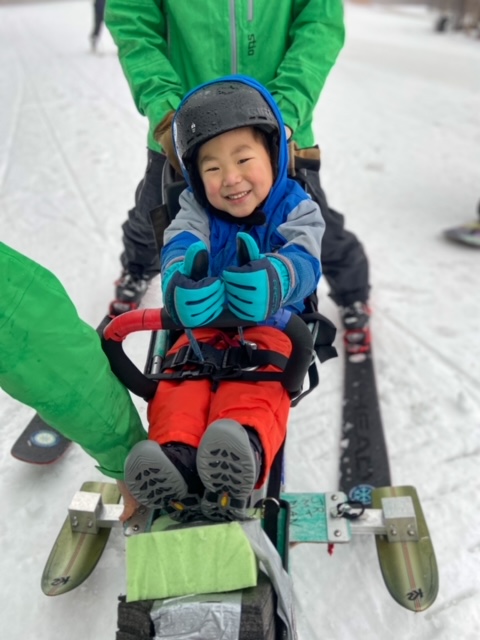
For those with physical disabilities, adaptive skiing offers a chance to experience the slopes in a way that suits their needs. Equipment like mono-skis, bi-skis, and skibobs are specifically designed for skiers with limb or trunk disabilities. These devices allow individuals to ski seated, providing stability and control. Options extend in both directions, for those who need more support, or who may have more independence.
Cognitive Disabilities
Adaptive skiing isn’t just for those with mobility challenges. There are adaptive ski options for all levels and types of abilities and disabilities. Programs are custom to address specific needs, ensuring a safe and enjoyable experience for all ability levels. With the help of instructors, adaptive skiing becomes a rewarding activity that promotes confidence and inclusion for all.
- Custom Instruction: Lessons are adapted to the individual’s learning style and capabilities, ensuring they can progress at their own pace. It’s a great option for people with cognitive disabilities or delays.
Adaptive skiing is about more than just hitting the slopes; it’s about embracing the thrill of the sport and the freedom it brings. As the landscape of adaptive sports continues to expand, so do the opportunities for individuals to connect with the joy of skiing.
As a new WordPress user, you should go to your dashboard to delete this page and create new pages for your content. Have fun!